
JUST SOLAR GROUP

B2B module selection guide

TOPCon vs HJT solar modules

Neither technology is universally better. Compare exact offered models on the same site, test, warranty, evidence and commercial basis before choosing.

Request model comparison
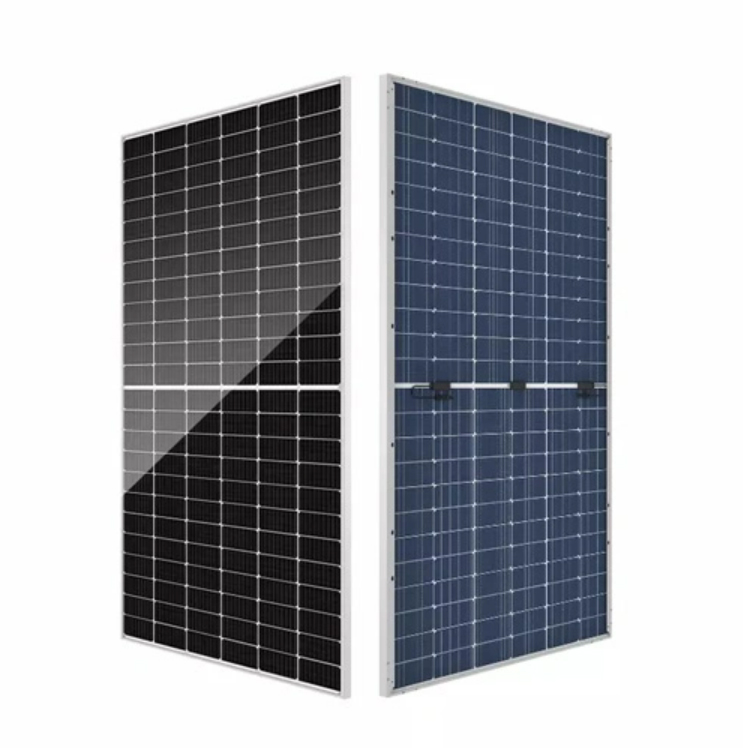
Solar modules prepared for model-specific TOPCon and HJT comparison

Short answer

Choose the model and project fit, not a technology winner.

TOPCon and HJT describe different crystalline-silicon cell architectures. They do not by themselves establish module efficiency, energy yield, degradation, warranty, certification, bankability, price or availability. Those decisions require exact model documents and one comparable project basis.

JUSTSOLAR reviews TOPCon or HJT requests through the current offered SKU and written supply scope. OEM and private-label work can be reviewed under NDA; named OEM customers are not published.

What the technology names mean

Tunnel oxide passivated contact

TOPCon

A crystalline-silicon cell architecture using an ultra-thin tunnel oxide and a passivating polysilicon contact.

Buyer boundary: The TOPCon label does not define module power, efficiency, temperature behavior, bifacial data, BOM, certificate scope, warranty or price.

Silicon heterojunction

HJT / SHJ

A crystalline-silicon cell architecture using thin amorphous-silicon layers and transparent conductive layers around the wafer.

Buyer boundary: The HJT label does not prove a universal performance advantage. Compare the exact module and the same project model.

Eight checks for a comparable decision

Use the same evidence and project inputs for both candidate modules.

01

Offered model and format

Exact model designation, dimensions, weight, glass, frame, connectors and packing basis.

Why the label is not enough: Two technology labels can hide different module formats and installation constraints.

02

Rated power and efficiency

Current datasheets and accepted measurement records for the same rating basis and tolerance.

Why the label is not enough: Research-cell records and technology averages are not commercial-module declarations.

03

Temperature and irradiance behavior

Model-specific coefficients and performance data applied to the same site weather and mounting assumptions.

Why the label is not enough: A technology name alone cannot determine field yield or a hot-climate winner.

04

Bifacial design

Declared bifacial data, rear construction, mounting, row geometry, shading and justified site albedo.

Why the label is not enough: Bifaciality is not the same as rear-side energy gain at a project site.

05

Qualification and evidence

Certificate holder, manufacturer, production site, models, standard edition, annexes, status and test scope.

Why the label is not enough: An IEC reference or similar brand name does not extend evidence to every model or factory.

06

Degradation and warranty

The applicable warranty document, baseline, exclusions, remedies, claim process and project conditions.

Why the label is not enough: IEC qualification does not quantitatively predict service life or create a warranty promise.

07

Bankability and project fit

Buyer, lender and insurer requirements for the named company, model, project and transaction.

Why the label is not enough: Neither cell architecture automatically establishes financeability.

08

Commercial and delivery basis

Same quantity, packing, destination port, Incoterm, inspection, evidence and requested timing.

Why the label is not enough: Price, availability and lead time belong to the reviewed offer and PI, not a static comparison page.

Build one comparison packet

Without the same packet, the two offers may not describe the same purchase.

  • Two exact offered model designations
  • Current datasheets and model-linked certificate references
  • Required dimensions, loading, connectors and packing
  • Site climate, mounting, albedo and yield-model assumptions
  • Warranty, inspection and traceability requirements
  • One quantity, destination port and Incoterm basis

Five RFQ details identify the supply context

  1. 01

    Buyer type

    Distributor, installer, agent, EPC or project buyer

  2. 02

    Country

    The market where the modules will be installed or resold

  3. 03

    Product

    TOPCon, HJT or two exact models to compare

  4. 04

    Quantity

    Pieces, containers, MW or repeat forecast

  5. 05

    Destination port

    The named port for the requested delivery basis

Buyer questions

Is TOPCon or HJT better for every solar project?

Neither is universally better. Compare exact offered models using the same site, mounting, test, warranty, evidence and commercial assumptions.

Is HJT automatically the better choice for a hot climate?

No. Use the Pmax temperature coefficient and other performance data for the exact model, then apply them to the same weather, mounting and yield model.

Can a technology label prove efficiency, bifaciality or degradation?

No. These values and commitments are model-specific. Review the current datasheet, accepted test evidence and applicable warranty document.

Does a research-cell efficiency record describe a commercial module?

No. A research-cell record and a mass-produced module are different evidence scopes. Use model-linked module documents for procurement.

What should a buyer send for a TOPCon or HJT comparison?

Send buyer type, country, product or two candidate models, quantity and destination port. Add site and evidence requirements when known.

Compare two real offers on one basis

Frank or the Director reviews model fit after receiving the five buying details. Specification, price, availability, lead time, certification, warranty and payment terms are confirmed only through the formal offer and PI path.

Request model comparison