
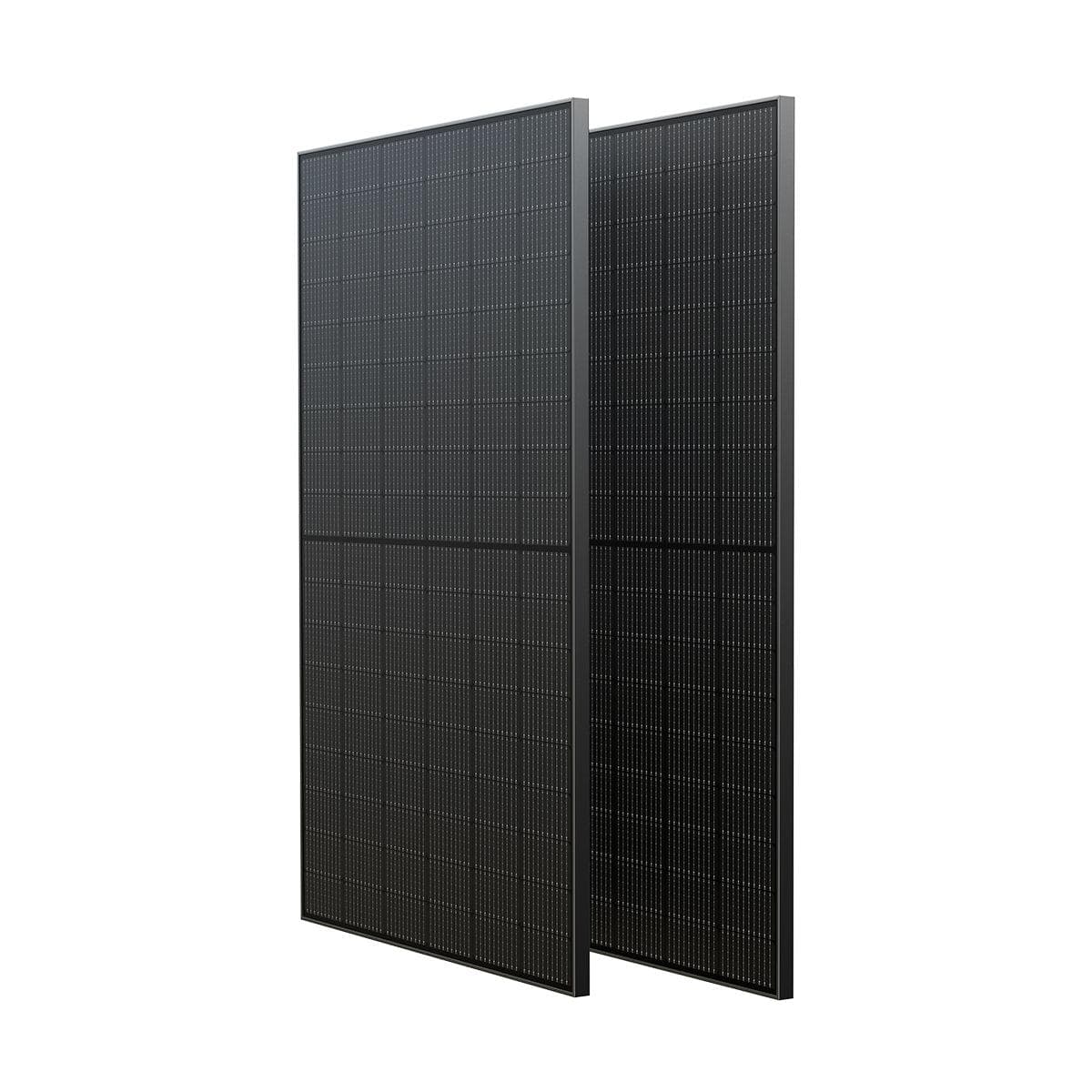
Rows of installed solar modules

Buyer evidence guide | Reviewed 24 August 2026

Solar Sustainability Evidence

Check the product, factory, period, method, system boundary and transaction before relying on a carbon, traceability, renewable-energy or circularity claim.

Short answer

A sustainability claim is useful only when it identifies the relevant entity, site or product, reporting period, system boundary, method, data source, assurance status and link to the transaction. Carbon, traceability, recycled-content, renewable-electricity and end-of-life claims are separate evidence questions.

Four Evidence Areas

Keep each claim attached to the scope it actually supports. Do not let one policy, certificate or number stand in for the full product and transaction review.

01

Factory and company claims

Which legal entity, production site and reporting period does the claim cover?

Ask for the reporting boundary, underlying energy or resource data, calculation method, assurance status and any site-specific certificate scope.

A group policy, target or office-level certificate does not automatically describe the factory making the offered product.

02

Product carbon or LCA

Does the result match the exact model, bill of materials, factory and production period?

Record the functional unit, life-cycle stages, geography, electricity mix, data vintages, allocation choices, method and independent review status.

Do not compare two footprint numbers unless their products, system boundaries, assumptions and methods are genuinely comparable.

03

Supply-chain and labour risk

Can the evidence connect relevant inputs and entities to this transaction?

Review supplier tiers, legal identities, material-flow records, transaction references, risk assessment, escalation and remediation evidence.

A policy, questionnaire or one-time audit can support due diligence, but none is a blanket guarantee that a product or supply chain is risk-free.

04

Circularity and end of life

Who holds the destination-specific collection, registration and treatment obligations?

Check material information, packaging scope, importer or producer role, local registration, take-back arrangements and approved treatment route.

Recyclable glass or aluminium does not by itself prove collection, recycling performance or compliance in the destination market.

Regulation Watch

These are scope checks, not legal advice or a declaration that an offered product is compliant.

EU CBAM

The definitive regime covers specified goods in cement, iron and steel, aluminium, fertilisers, electricity and hydrogen. Solar modules are not a standalone listed sector, so buyers should check the exact imported CN codes instead of treating a marketing label as evidence.

EU Forced Labour Regulation

The prohibition applies from 14 December 2027 to products made with forced labour, regardless of origin. The regulation does not create a universal audit or certificate that proves every transaction is clear.

EU Digital Product Passport

DPP requirements are introduced progressively through product-specific rules. A product group appearing in a work plan does not by itself make a passport mandatory for every product in that group.

EU WEEE and end of life

EU WEEE rules address separate collection, treatment and producer responsibilities for electrical and electronic equipment. The responsible party and registration route still need destination-country review.

Comparable Carbon Evidence

A product footprint or LCA becomes useful when a buyer can see the assumptions behind it. Keep these fields with any number used in procurement.

  1. 1Exact product and configuration
  2. 2Factory, geography and production period
  3. 3Functional unit and life-cycle stages
  4. 4Primary and secondary data sources
  5. 5Electricity mix and material assumptions
  6. 6Method, database and version
  7. 7Critical review or assurance status

Tier-1 OEM Boundary

JUSTSOLAR has Tier-1 OEM production experience protected by NDA. We do not publish customer or supplier names.

OEM experience does not transfer another company's ESG report, traceability claim, product footprint, certification or bankability status to JUSTSOLAR or to a new order. Applicable evidence must be reviewed for the exact product, factory, period and transaction.

Request an Order-Specific Review

Send five buying details plus any carbon, traceability, forced-labour, tender or end-of-life requirement. Frank or Director confirms applicable evidence before any formal recommendation, quote or PI.

Start Qualified RFQ
1

Buyer type

Installer, distributor, agent, EPC, project owner or other qualified buyer.

2

Country

Destination country and any known market, tender or sustainability requirement.

3

Product

Module, OEM or private label, small module, cell or selected system component.

4

Quantity

Containers, MW, pieces, project quantity or expected purchasing cycle.

5

Destination port

Exact port, city or named delivery place for the commercial review.

Buyer Questions

Does one carbon number prove that a solar module has a lower footprint?

No. First match the exact product, factory, period, functional unit, life-cycle stages, electricity mix, data sources, method and review status. A number without these boundaries is not a reliable comparison.

Are solar modules automatically covered by EU CBAM?

Do not infer coverage from a module label. The current definitive regime lists specified goods in cement, iron and steel, aluminium, fertilisers, electricity and hydrogen. The importer should confirm the exact CN codes and transaction scope.

Can JUSTSOLAR guarantee every supply-chain tier or a fixed sustainability document pack?

No blanket guarantee or universal pack is published. Send the five buying details and the destination requirement. Frank or Director reviews applicable, order-specific evidence before any formal recommendation, quote or PI.

Official Sources

Content and official sources reviewed 24 August 2026.

Continue the Review

Legal scope, evidence availability and commercial terms are checked for the destination and transaction. This page is a procurement guide, not a certificate, audit opinion or product declaration.