
B2B solar acceptance preparation

Solar PV commissioning checklist

There is no universal commissioning threshold sheet for every PV plant. The approved design, equipment instructions, project test plan, applicable law, grid requirements, contract and accepted standards determine what is tested, how, by whom and against which criteria.

Start qualified RFQ
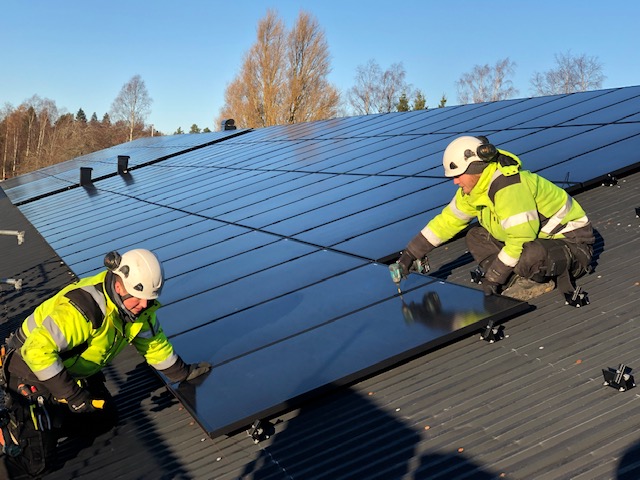
Commercial rooftop photovoltaic system requiring project-specific commissioning evidence

Six gates before project acceptance

These are review gates, not universal test values. Do not copy resistance, tolerance, sampling, test-duration, time-of-day, power-quality, performance-ratio, EL or infrared criteria from a generic public page.

1. Scope, authority and hold points

Identify the systems, interfaces, commissioning stages, responsible parties, witnesses, energization authority and stop-work conditions. Separate module supply from EPC, grid, protection, monitoring and owner acceptance responsibilities.

2. Approved design and asset traceability

Control the accepted single-line diagrams, layouts, equipment schedules, settings, manuals, model and serial records, design changes, permits and outstanding construction records before testing begins.

3. Visual, mechanical and electrical readiness

Define inspections for installation condition, labelling, access, protection, connectors, conductors, bonding, structures and equipment. The project documents must state the sample, method and acceptance criteria.

4. Measurement method and conditions

For each test, record the applicable method, instrument, calibration status, configuration and environmental conditions. Voltage, current, insulation, I-V and thermography results are only interpretable against a defined basis.

5. Functional, grid and monitoring tests

Define functional sequences, protection and control checks, communications, data quality, grid-interface tests and any power-quality measurements required by the applicable project and network rules.

6. Deviations, acceptance and handover

Record failures, concessions, corrective actions, retests and open items. Link acceptance to signed evidence, controlled settings, as-built records, training, access credentials and an agreed responsibility transfer.

Record every test and deviation

A result without its asset, method, instrument, conditions and disposition is difficult to audit or compare.

  • Test ID, system boundary, equipment model and asset or serial reference
  • Approved requirement, method and project-specific acceptance criterion
  • Instrument ID, measurement class and calibration status
  • System configuration and environmental or operating conditions
  • Measured result, unit, uncertainty and supporting file reference
  • Tester, witness, date, location and authorization
  • Deviation, corrective action, retest result and final disposition

Project inputs before selecting tests

  • Project country, site type, authority and grid operator
  • As-built single-line diagram, layout, equipment schedule and settings
  • Approved commissioning plan, test procedures and responsibility matrix
  • Contract criteria, equipment instructions and applicable rules
  • Energization permits, access controls and safety documentation
  • Current construction status, punch list and required handover package

Five RFQ details identify the supply context

JUSTSOLAR supports module-side documentation and qualified module, OEM and private-label supply. Site commissioning remains within the responsibility matrix agreed by the project parties.

  1. 01

    Buyer type

    Distributor, installer, agent, EPC, integrator, asset owner or project buyer

  2. 02

    Country

    Import market and final project jurisdiction

  3. 03

    Product

    Exact module, cell, small module or selected system component

  4. 04

    Quantity

    Pieces, container count, MW or repeat purchasing forecast

  5. 05

    Destination port

    Named port or delivery place for the commercial review

We have experience working within Tier-1 OEM supply requirements, but customer names and confidential supply arrangements are not published. Only the reviewed quote, PI and referenced documents define an accepted order.

Solar commissioning questions

Does IEC 62446-1 provide one threshold sheet for every PV plant?

No. It provides a documentation, test and inspection framework. The approved design, equipment instructions, applicable law, grid requirements, contract and project test plan determine the relevant criteria and evidence.

What does IEC 61829 establish for field I-V testing?

It establishes procedures for on-site PV array I-V measurement, environmental observations and translation of results. It does not promise that a project will pass or set a public commercial-performance guarantee.

Does IEC 61000-4-30 set the grid-compliance limits for my project?

No. It defines power-quality measurement methods. The applicable network code, authority requirements and accepted project documents identify which parameters, classes, conditions and limits apply.

Is a PV plant accepted as soon as it is energized?

Not necessarily. Energization, functional testing, defect closure, performance evidence, training, controlled documents and responsibility transfer can be separate project gates.

What should I send for a qualified JUSTSOLAR RFQ?

Send buyer type, country, product, quantity and destination port. For project context, also identify the commissioning stage, system boundary and applicable project documents. Frank or the Director reviews fit before a formal offer or PI.

Prepare a qualified module or OEM RFQ

Send buyer type, country, product, quantity and destination port. Frank or the Director reviews product and documentation fit before any price, payment, availability, delivery, formal offer or PI is accepted.

Start qualified RFQ